Picture this: the lights flicker, then plunge your home into darkness. The refrigerator starts warming, the AC cuts out, and your essential medical equipment might be compromised. For millions, power outages are more than an inconvenience; they're a disruption to daily life, safety, and comfort. That's where a reliable home backup generator comes in, standing ready to automatically restore power and peace of mind.
Choosing the right backup power solution can feel overwhelming, with a myriad of options, technical specifications, and installation considerations. This guide is your starting point, designed to simplify the complex world of home backup generators and help you navigate towards the perfect solution for your family and home. We'll give you the big picture, then point you directly to the detailed guides you need to make an informed decision.
Why a Home Backup Generator is Your Ultimate Preparedness Partner
Gone are the days of fumbling with flashlights and hoping for power to return. Modern home backup generators, often called whole-house or standby generators, offer immediate, automatic, and hassle-free power during an outage. Permanently installed outdoors, typically the size of a central air conditioning unit, these robust machines run on a continuous fuel source like natural gas or large propane tanks. Their most compelling feature? An automatic transfer switch that senses a power loss and kicks the generator on, all without you lifting a finger.
These units are designed to keep hardwired essentials—like your well pump, water heater, air conditioning, heating system, and crucial medical equipment—running seamlessly. This isn't just about convenience; it’s about maintaining safety, comfort, and the functionality of your home when the grid fails. For a deeper dive into the fundamental differences and what makes each type suitable for various needs, Explore home generator types Understand backup to match your specific situation.
Sizing Up Your Needs: How Much Power Do You Really Require?
One of the most critical steps in selecting a backup generator is accurately calculating your home's energy demands. You'll need to consider both "running wattage" (the steady power an appliance uses) and "starting wattage" (the brief surge required to kick-start motors in items like refrigerators or AC units). Don't forget to differentiate between 120-volt appliances (most standard household items) and high-demand 240-volt appliances such as electric dryers, well pumps, and HVAC systems, which require a generator with at least 30-amp/240-volt output.
As a general guideline, 3,000-5,000 watts can cover a fridge, lights, and a few modest appliances. If you need to power heat, hot water, and several more appliances, aim for 6,000-8,000 watts. For whole-house coverage, including large appliances like laundry machines and dishwashers, you'll typically need 10,000 watts or more. The average home often requires between 10 to 25 kilowatts (10,000 to 25,000 watts). A smart approach is to purchase a generator with approximately 20% more output than your calculated needs, offering a buffer for unexpected demands. Get all the details on how to perform these vital calculations by visiting our guide on Sizing your home backup generator Understand.
Unpacking the Different Types of Home Backup Generators
The world of home backup power isn't one-size-fits-all. Understanding the distinct types is crucial for making the right choice.
Standby Generators: The Automatic Solution
These are the kings of convenience. Permanently installed, they provide automatic, seamless power during outages, running on natural gas or propane. They are the most costly due to professional installation but offer unparalleled peace of mind, starting around 10,000 watts and scaling up to power entire large homes.
Portable Generators: Versatile Power on the Go
Often weighing over 100-200 pounds, these generators are still considered "portable" with wheels. They run on gasoline, propane, or natural gas (or a combination) and range from 1,000 to over 20,000 watts. While they require manual setup and refueling, they are significantly less expensive than standby units.
Inverter Generators: Quiet, Clean Power
A subset of portable generators, inverter generators are prized for their ability to produce "cleaner" AC power, making them safe for sensitive electronics like laptops and TVs. They operate more quietly and are more fuel-efficient than standard portable generators, though they come with a higher price tag due to their advanced technology.
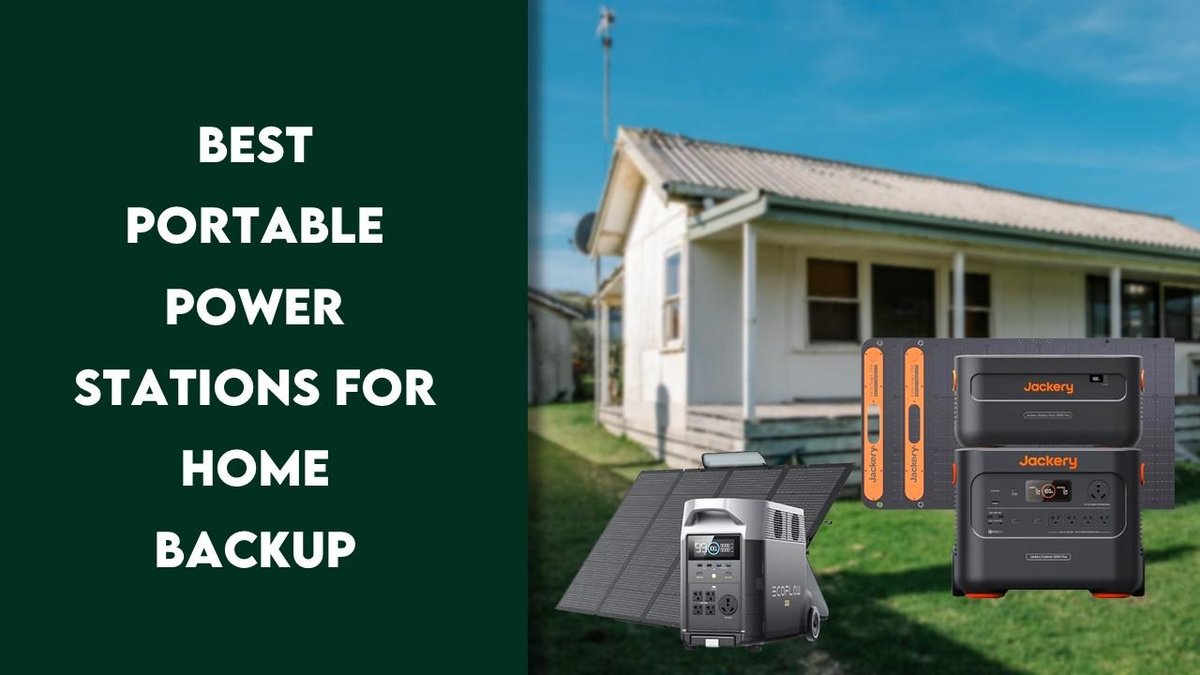
Power Stations (Battery Banks): Silent, Emission-Free Backup
Unlike traditional generators, power stations store pre-charged energy from AC outlets or solar panels. They are emission-free, near-silent, and safe for indoor use. While excellent for smaller devices and indoor scenarios, their runtime is limited by battery capacity and recharging speed, especially without grid power. Each type has its place, and learning more about their nuances will clarify your options.
From Purchase to Power: Installation, Costs, and Crucial Maintenance
Bringing a home backup generator online involves more than just buying the unit. Professional installation is mandatory for standby generators and highly recommended for large portable systems to ensure safety and compliance. This often involves coordinating with a plumbing/heating contractor for gas lines, a general contractor for the concrete pad, and an electrician for the electrical panel hookup. Installation costs alone can range from $2,000 to $20,000 or more, often exceeding the price of the generator itself, especially for smaller units where installation expenses can be comparable to larger models.
Beyond installation, proper maintenance and safe operation are paramount. Fuel-based generators must never be run indoors due to deadly carbon monoxide risks; position them 5 to 20 feet away from your home, with exhaust pointed away. Watch for signs of overload like dimming lights, and always turn off gas/propane generators before refueling. Regular checks, as recommended by the manufacturer, can ensure your unit lasts for thousands of operating hours and many years. To ensure your investment functions flawlessly and safely for years to come, Learn generator setup and care.
Choosing Your Champion: Key Considerations for Your Home
With a clear understanding of your power needs and the different types of generators, you're ready to narrow down your options. When making your final decision, consider fuel type (gasoline, propane, natural gas, or multi-fuel options), desired power output, noise levels (inverter generators are quieter), and essential safety features like automatic CO2 and low oil shutoff. Features like remote start, Wi-Fi connectivity, and transfer switch type also play a role in convenience and functionality.
Whether you're prioritizing whole-house automatic power or a versatile portable solution, carefully weighing these factors against your budget and lifestyle will guide you to the best choice. For a detailed breakdown of all the variables and how to evaluate them for your specific situation, make sure to Get your generator buying guide Choose wisely.
Discover the Best: Top Home Backup Generators Reviewed
The market is rich with excellent generator options from reputable brands. From robust standby units that can power a 2,500 sq ft home with 22kW and a 200-amp transfer switch, to versatile portable dual-fuel inverters offering 11,000W of quiet power, there's a model tailored for every need. Brands like Generac, DuroMax, Westinghouse, Champion, and Pulsar consistently offer reliable performance across various wattage and feature sets.
You'll find options like the Generac GP9500E for value, the Westinghouse WGen9500DF for versatility with 30/50-amp outputs, or specialized mid-size inverters like the Pulsar 7,250-Watt for clean power. Each model has unique strengths, from remote start capabilities and CO2/low oil shutoff features to specific runtime efficiencies and noise levels. Dive deeper into specific models, their pros, cons, and performance metrics to identify the perfect fit for your home by reading our comprehensive reviews of the Best home backup generators.
Stay Powered, Stay Safe, Stay Prepared
Investing in a home backup generator is investing in security, comfort, and control during unpredictable times. From selecting the right wattage to understanding installation complexities and committing to safety protocols, each step is crucial. Don't let the next power outage catch you off guard. Empower yourself with knowledge and the right equipment to ensure uninterrupted power, come what may.