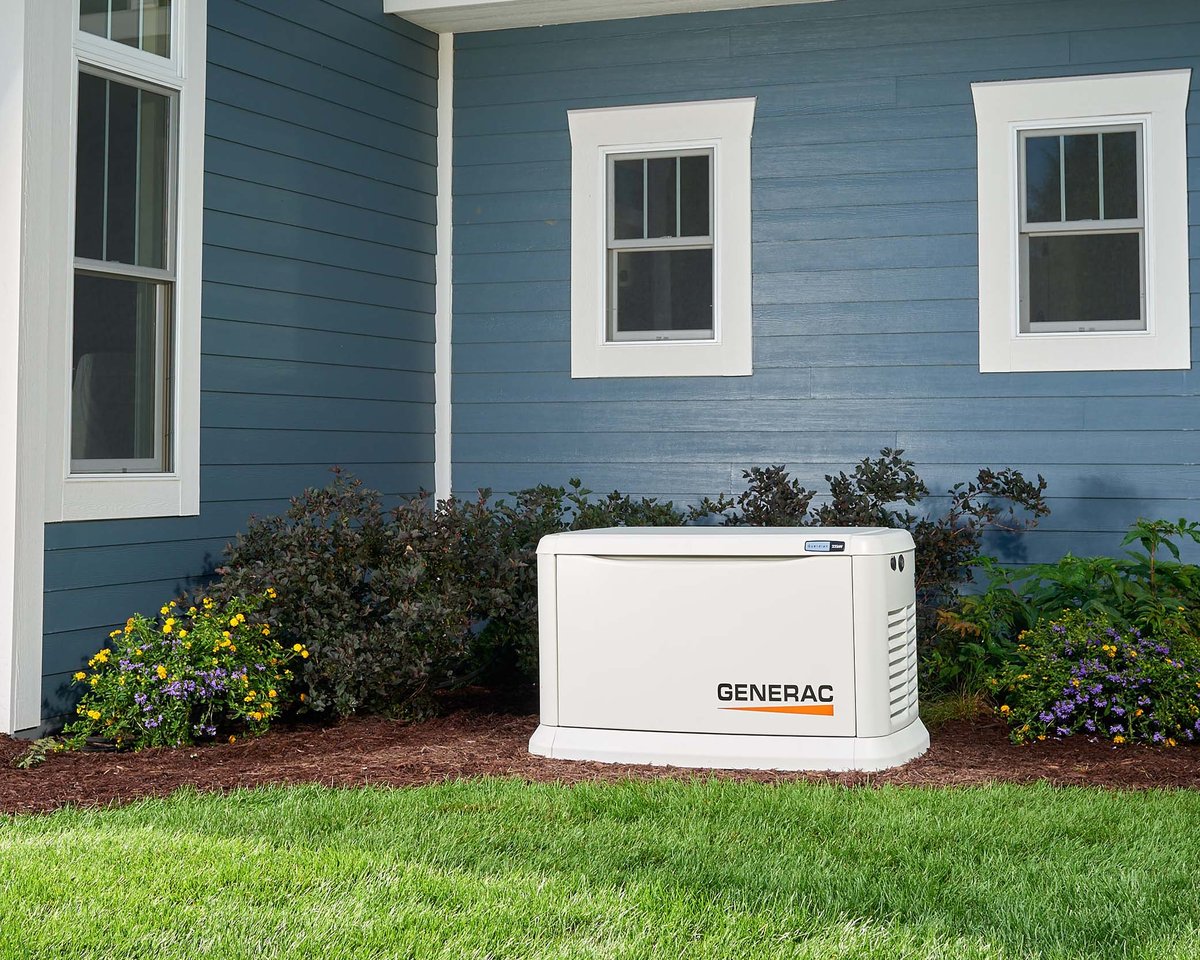
When the lights go out, your world shouldn't grind to a halt. In an era of unpredictable weather events and aging infrastructure, a reliable home backup generator isn't just a luxury—it's an essential safeguard for your family's comfort, safety, and critical needs. But navigating the world of Home Backup Generator Installation & Maintenance can feel like tackling a complex electrical diagram.
Fear not. This comprehensive guide will illuminate every step of the journey, from picking the perfect powerhouse for your home to ensuring it purrs to life reliably when you need it most. We'll cut through the jargon, offer practical advice, and help you make informed decisions that bring true peace of mind.
At a Glance: Your Quick Guide to Home Backup Generators
- What it is: A secondary power source that automatically (or manually) activates during outages, keeping essential home systems running.
- Types: Portable (manual, temporary) and Standby (permanent, automatic).
- Key Choice Factors: Your home's power needs (wattage), fuel type, features (ATS, remote monitoring), and budget.
- Installation: Requires professional assessment, site preparation, permits, and expert electrical/fuel connections. Never a DIY project for standby units.
- Maintenance: Crucial for reliability. Includes regular testing, oil changes, filter replacements, and annual professional service.
- The Goal: Uninterrupted power, safety, and comfort for your household during an outage.
Why a Backup Generator Isn't Just a Luxury Anymore
Think about it: A power outage doesn't just mean a darkened house. It can mean a spoiled refrigerator full of food, a freezing home in winter, a sweltering one in summer, a disabled medical device, or a complete disconnect from work and school. For many, a consistent power supply isn't just about convenience; it's about health, safety, and financial well-being.
A backup generator acts as your home's insurance policy against the grid. It steps in to keep your lights on, your heating or cooling system running, your refrigerator humming, and critical medical equipment operational. Understanding how to choose, install, and maintain one is an investment in uninterrupted living.
Picking Your Power Partner: How to Choose the Right Generator
The market offers a range of options, and the "best" generator isn't universal—it's the one that best fits your specific needs. Here's a step-by-step approach to making the right choice.
Step 1: Uncover Your Home's True Power Needs
Before you even think about models, you need to understand what you're trying to power. This isn't just guesswork; it's a careful calculation.
- List Your Essentials: Walk through your home and list every appliance and system you absolutely cannot live without during an outage. This typically includes:
- Refrigerator/Freezer
- Lights (at least a few circuits)
- HVAC (furnace blower or central AC)
- Water heater (if electric)
- Well pump (if applicable)
- Medical equipment (CPAP, oxygen concentrator)
- Essential electronics (Wi-Fi router, phone chargers, TV)
- Calculate Total Wattage: Look for the wattage (running watts) listed on each appliance. Add them up. Remember to account for "starting watts" (surge watts) for motors, which can be 2-3 times higher than running watts.
- Example: A refrigerator might use 600 running watts but 1800 starting watts. A window AC unit uses 1,000-1,500 watts.
- Get Professional Help: This is where a licensed electrician shines. They can perform a detailed load assessment, ensuring you don't overspend on a generator that's too big or risk reliability with one that's too small. This assessment is critical for understanding calculating your home's electrical load accurately and sizing your generator correctly.
Choosing a generator that can handle your true power needs is the foundational step to reliable backup power.
Step 2: Portable vs. Standby: Which One's Right For You?
This is perhaps the biggest decision you'll make, impacting everything from cost to convenience.
Portable Generators
- How They Work: Manually operated. You roll them out, start them up, plug in extension cords directly or connect to a transfer switch via a power inlet box.
- Fuel: Primarily gasoline or propane.
- Pros: Lower initial cost (starting around $500), easy to move, good for temporary outages or specific appliances.
- Cons: Require manual setup and fueling, must be used outdoors (carbon monoxide risk), limited power output, run time dictated by fuel tank size.
- Best For: Infrequent, shorter outages; powering a few essential items; budget-conscious users.
Standby Generators
- How They Work: Permanently installed outside your home, connected to your electrical system. They automatically detect an outage, turn on, and seamlessly transfer power. When grid power returns, they switch off.
- Fuel: Natural gas or liquid propane (LP).
- Pros: Fully automatic, whole-home or essential circuit coverage, longer run times (especially with natural gas), safer (no extension cords, always outdoors), increased home value.
- Cons: Higher upfront cost ($2,000-$10,000 for the unit, plus installation), professional installation required, permanent footprint.
- Best For: Frequent or prolonged outages; whole-home power; those seeking ultimate convenience, reliability, and safety.
Step 3: Fueling Your Future: Propane, Natural Gas, or Diesel?
The fuel type impacts cost, availability, storage, and environmental footprint. Understanding different fuel options for generators is key to long-term satisfaction.
- Natural Gas:
- Pros: Plumbed directly to your home's existing line (if available), virtually unlimited run time (no refueling), cleaner burning.
- Cons: Supply might be affected during major natural disasters; can be less fuel-efficient than propane or diesel for the same power output.
- Best For: Standby generators in homes with an existing natural gas line.
- Propane (LP):
- Pros: Easy to store in tanks (above or underground), very long shelf life, clean-burning, can be more fuel-efficient than natural gas for certain models.
- Cons: Requires dedicated storage tanks; run time limited by tank size; delivery needed for large tanks.
- Best For: Standby generators where natural gas isn't available or preferred, or larger portable units.
- Diesel:
- Pros: Highly efficient, powerful, excellent for larger generators and extended use.
- Cons: Fuel can degrade over time; higher emissions; typically noisy; fuel can gel in cold weather; diesel engines generally require more maintenance.
- Best For: Commercial applications or very large residential systems where power output and efficiency are paramount. Less common for typical home backup.
Step 4: Must-Have Features for Modern Generators
Beyond basic function, modern generators offer features that significantly enhance convenience, safety, and longevity.
- Automatic Transfer Switch (ATS): Absolutely essential for standby generators. This intelligent device senses an outage, signals the generator to start, and safely switches your home's power from the utility to the generator. When utility power returns, it reverses the process. This prevents dangerous "backfeeding" into the grid and ensures seamless operation. Understanding the role of an Automatic Transfer Switch is crucial for automated home backup.
- Low-Noise Operation: Look for models with decibel ratings around 60 dB or lower—comparable to a normal conversation.
- Weatherproof Enclosure: Crucial for outdoor units, protecting internal components from rain, snow, and debris.
- Remote Monitoring: Many modern standby generators offer smartphone apps or online portals to monitor status, fuel levels, and maintenance alerts from anywhere.
- Cold Weather Kits: Essential in colder climates, ensuring your generator starts reliably when temperatures drop.
- GFCI Outlets: A safety feature on portable generators, protecting against electrical shock.
Step 5: Budgeting for Power Security
A backup generator is a significant investment, but it's important to consider both upfront costs and long-term expenses.
- Generator Unit:
- Portable: $500 - $2,500+
- Standby: $2,000 - $10,000+ (depending on size and features)
- Professional Installation (Standby Units): This is a major cost, typically $2,000 - $5,000. It includes site preparation, electrical work, transfer switch installation, and fuel line connections.
- Annual Maintenance: Budget $100 - $300 per year for professional service, including oil changes, filter replacements, and system checks.
- Fuel Costs: Varies widely based on usage, fuel type, and local prices.
Our Pick: Why Kohler Generators Stand Out
When considering reliability, quiet operation, and overall value, Streamline Generator often recommends Kohler generators. They are known for:
- Robust Construction: Built to last in harsh weather conditions.
- Quiet Operation: Designed with advanced sound-dampening technology.
- Fuel Flexibility: Many models can run on either natural gas or propane, offering versatility.
- Comprehensive Warranty: Providing peace of mind for your investment.
To explore top-rated models and compare options that fit your specific needs, you might want to Find the best home backup generators on the market today.
From Pad to Power: The Installation Journey
Installing a standby generator is not a DIY project. It involves complex electrical, fuel, and structural work that must be handled by licensed professionals to ensure safety, compliance, and proper function. Here’s an overview of the process:
Step 1: Your Power Blueprint: Re-Assessing Needs & Planning
Even if you've done your initial calculations, a professional electrician or generator specialist will conduct a thorough on-site load assessment. This ensures the chosen generator is perfectly sized and that all necessary circuits are identified for connection to the automatic transfer switch. They'll also map out the best routes for electrical and fuel lines.
Step 2: Finding the Perfect Spot: Location, Location, Location
The placement of your generator is critical for safety and performance.
- Outdoors: Generators must always be placed outdoors to prevent dangerous carbon monoxide buildup.
- Clearance Distances: Strict regulations, such as NFPA 37 requirements, dictate specific clearance distances from buildings, windows, doors, vents, and even shrubs. This is crucial for fire safety and proper ventilation. A general rule of thumb is at least 5 feet from any opening and flammable materials.
- Accessibility: Ensure the location allows easy access for routine maintenance and servicing.
- Flat, Stable Surface: The generator needs a level, firm base.
- Near Electrical Panel: Proximity to your home's main electrical panel minimizes wiring complexity and cost.
- Local Codes: Your installer will ensure compliance with all local building and electrical codes. Understanding local building codes for generator installation is vital to avoid future headaches.
Step 3: Clearing the Red Tape: Permits You Can't Skip
Most local governments require permits for standby generator installations. This usually involves electrical, plumbing (for fuel lines), and sometimes building permits. A reputable installer or licensed contractor will handle the permit application process, ensuring your installation meets all regulatory requirements and passes necessary inspections. Attempting to skip permits can lead to fines, forced removal, or issues with home insurance.
Step 4: Laying the Foundation: Site Preparation
Once the location is finalized and permits are in hand, the site needs preparation. This often involves:
- Clearing any debris or vegetation.
- Leveling the ground.
- Installing a concrete pad or a sturdy gravel base. This foundation provides stability, prevents settling, and elevates the generator off the ground, protecting it from moisture.
Step 5: The Brains of the Operation: Installing the Transfer Switch
This is where the magic happens, and it's strictly a job for a licensed electrician.
- Placement: The Automatic Transfer Switch (ATS) is typically installed near your main electrical panel.
- Function: It's the command center that senses power outages, signals the generator to start, and safely switches your home's power source. Crucially, it prevents "backfeeding"—sending electricity back into the utility grid, which can be lethal to utility workers.
- Circuit Prioritization: Essential circuits for heating, cooling, lighting, and medical equipment are wired through the transfer switch, ensuring they receive power during an outage.
Step 6: Making the Connections: Fuel and Electrical
With the transfer switch in place, the generator unit is securely positioned on its foundation.
- Fuel Line Connection: A qualified technician connects the generator to its fuel source (natural gas or propane tank), ensuring all connections are leak-free and comply with local codes and manufacturer guidelines.
- Electrical Connection: The generator is then hardwired to the transfer switch, completing the electrical circuit that will power your home.
Step 7: The Moment of Truth: Your First Test Run
After all connections are made and inspected, the installer will perform a comprehensive test run. This involves:
- Simulating a Power Outage: The main utility power is temporarily disconnected to mimic an outage.
- Automatic Activation: The generator should detect the outage, start up, and transfer power to your home automatically.
- Power Verification: The technician will confirm that all designated circuits are receiving power.
- Seamless Transfer: They'll also observe the smooth transfer back to utility power when it's restored, and the generator's cool-down and shutdown sequence.
This test ensures everything works as expected and allows for any final adjustments.
Keeping the Lights On: Essential Generator Maintenance
Installation is just the beginning. To ensure your backup generator reliably springs to life when you need it most, regular maintenance is non-negotiable. Think of it like any other critical engine—it needs care to perform.
Why Regular Maintenance Isn't Optional
- Reliability: The primary goal of a backup generator is to provide power when the grid fails. Neglecting maintenance drastically increases the chance of a failure to start.
- Longevity: Proper care extends the life of your investment, saving you from premature replacement costs.
- Efficiency: A well-maintained generator runs more efficiently, consuming less fuel and operating optimally.
- Warranty Compliance: Most manufacturer warranties require adherence to a regular maintenance schedule.
Your Annual Maintenance Checklist
While your owner's manual will provide specific recommendations, a general maintenance routine includes:
- Regular Exercise: Most standby generators have an automatic exercise mode, typically running for 15-20 minutes once a week or bi-weekly. This keeps components lubricated, fuels fresh, and ensures readiness.
- Oil Changes: Just like your car, the engine oil needs to be changed regularly (usually annually or after a certain number of run hours).
- Filter Replacements: Air, oil, and fuel filters should be inspected and replaced as recommended by the manufacturer. Clogged filters reduce efficiency and can damage the engine.
- Battery Check: The battery that starts the generator needs to be healthy and fully charged. Test it regularly and replace it every 2-3 years, or as needed.
- Spark Plugs: Inspect and replace spark plugs according to the manufacturer's schedule to ensure proper ignition.
- Fuel System Inspection: Check for leaks in fuel lines, ensure proper pressure, and address any blockages. For liquid propane tanks, ensure they're adequately filled.
- General Cleaning: Keep the generator's exterior and air intake free of debris, leaves, and animal nests.
- Transfer Switch Inspection: Ensure the ATS is clean, free of corrosion, and functioning correctly.
When to Call the Pros
While you can handle basic checks like ensuring proper exercise and keeping the unit clean, professional maintenance at least once a year is highly advised. Specialists, like those at Streamline Generator, have the expertise and tools to:
- Perform detailed diagnostic checks.
- Identify potential issues before they become major problems.
- Calibrate the generator for optimal performance.
- Adhere to manufacturer-specific service protocols.
- Ensure all safety features are operational.
Streamline Generator offers comprehensive maintenance plans designed to keep your generator in peak condition, along with 24/7 emergency support for those unexpected issues.
Common Questions About Home Backup Generators
Let's address some frequently asked questions that come up when discussing home backup power.
How long can a standby generator run continuously?
Modern standby generators, especially those running on natural gas, are designed for extended operation. They can typically run for hundreds of hours continuously, as long as their fuel supply is uninterrupted and they are properly maintained. Propane generators will run until their fuel tanks are depleted.
Can I install a standby generator myself?
Absolutely not. Installing a standby generator involves complex electrical wiring, connecting to a fuel source, and often requires structural work. This work must be performed by licensed electricians and plumbers to ensure safety, comply with local building codes, and prevent dangerous situations like backfeeding electricity into the utility grid.
What's the noise level like?
Standby generators are designed to be quieter than portable models, often operating between 55 to 70 decibels (dB), similar to a normal conversation or an air conditioning unit. Newer models incorporate advanced sound-dampening technology to minimize noise further. Location and proper installation can also help mitigate noise.
Do I need to turn off my generator after an outage?
For standby generators with an Automatic Transfer Switch (ATS), no. The ATS will automatically detect the return of utility power, transfer your home's load back to the grid, and then signal the generator to shut down after a brief cool-down period. This seamless operation is a key benefit of standby units.
How often should I test my generator?
Standby generators typically have an automatic exercise cycle, running for 15-20 minutes once a week or bi-weekly. Beyond this automated test, it's a good practice to manually test it once every few months to ensure it starts up correctly. Always follow your manufacturer's specific recommendations.
Beyond the Generator: Holistic Home Preparedness
While a generator is a powerful piece of your emergency plan, it's part of a larger picture. Consider combining your generator investment with other preparedness measures to ensure comprehensive safety. A a comprehensive emergency preparedness checklist can help you cover all bases, from water storage to communication plans. Your generator handles the power, but a well-rounded strategy handles everything else.
Your Next Step to Uninterrupted Power
Investing in a home backup generator is an investment in your family's safety, comfort, and peace of mind. While the journey from selection to installation and ongoing maintenance has its complexities, partnering with experienced professionals makes all the difference.
Don't wait for the next storm to realize you're unprepared. Reach out to a qualified generator specialist, like Streamline Generator, for a personalized consultation. They can help assess your power needs, recommend the best system for your home, handle all aspects of expert installation, and provide ongoing maintenance to ensure your power partner is always ready to perform. Take the proactive step today to secure your home's power future.